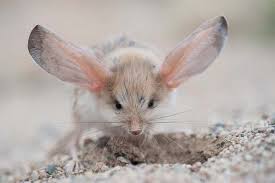
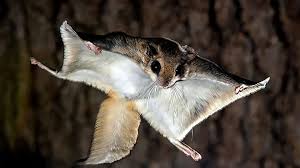


Rodent 2K is a global effort to sequence the genomes of all the approximatively 2500 living rodent species. These genomes will help increase our understanding of the genetic mechanisms leading to rodents’ unique traits and their adaptation to extreme environments. The project will also provide evolutionary context for mouse and rat, which are widely used mammalian model organisms for human biomedical research.
Genome Sequencing
Current technology makes it possible to sequence and assemble a mammalian genome for a few thousand dollars and with a quality and completeness that surpasses the initial human genome assembly. Large projects like the Earth Biogenome Project, the Darwin Tree of Life, the Vertebrate Genomes Project, and the European Reference Genome Atlas are developing efficient pipelines for sequencing, assembly and annotating the genomes of a diverse set of species. We are collaborating with these projects and building on their advances to produce genome assemblies ready to be used for a wide variety of community research projects.
Rodents by numbers
2500
estimated species of rodents
40%
of all mammal species
50kg
weight of the largest rodent (Capybara)
3.5g
weight of the smallest rodent (Pygmy Jerboa)
RODENT TALES
Selected stories of rodent research and discovery:
Rodents are awesome: extreme evolution
An interview with Rodent2K's David Thybert about rodent adaptation in extreme environments (Earlham Institute)
On a wild mouse chase to understand parenting, love and fear
Highlighting research in the genetic and neural underpinnings of behaviour (The Scientist)
The making of the fittest: Natural Selection and Adaptation
A video with  Rodent2K's Michael Nachman talking about  the evolutionary process of fur colour selection of rock pocket mouse population living in dark and light coloured sands
How a mouse could help human heal better
A BBC future article with Rodent2K's Ashley Seifert talking about  the exceptional regenerative ability of the spiny mouse